Coffee Beans
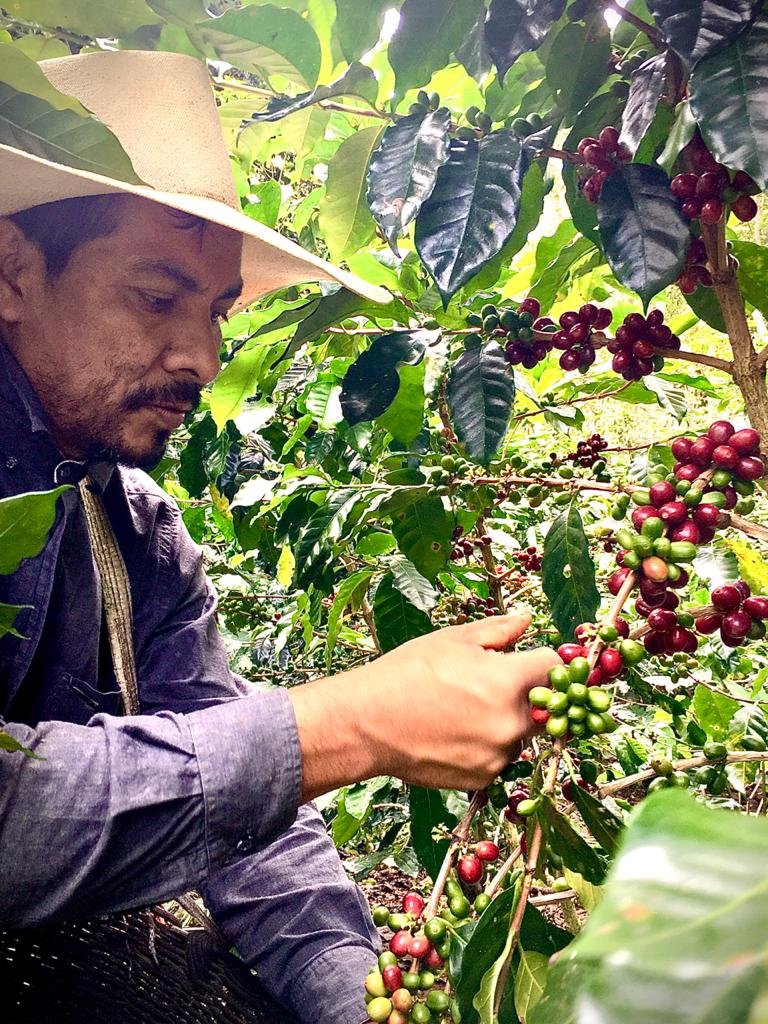
The coffee plant, or coffee tree, belongs to the genus Coffea and is part of the Rubiaceae family. These are shrubs that can grow up to 20 meters tall in the wild, depending on the variety. However, to facilitate harvesting, they are pruned to a height of 2–4 meters on plantations.
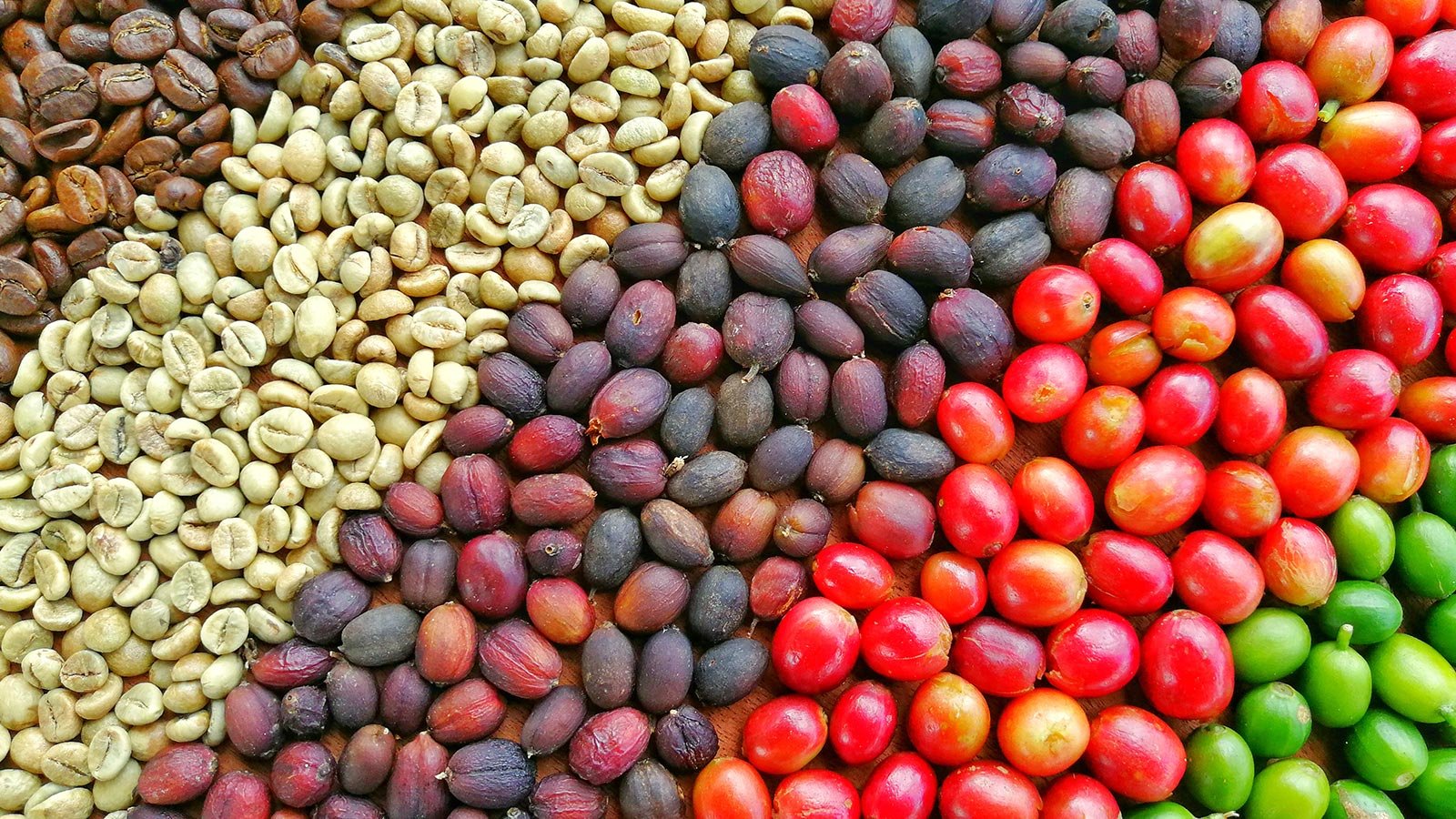
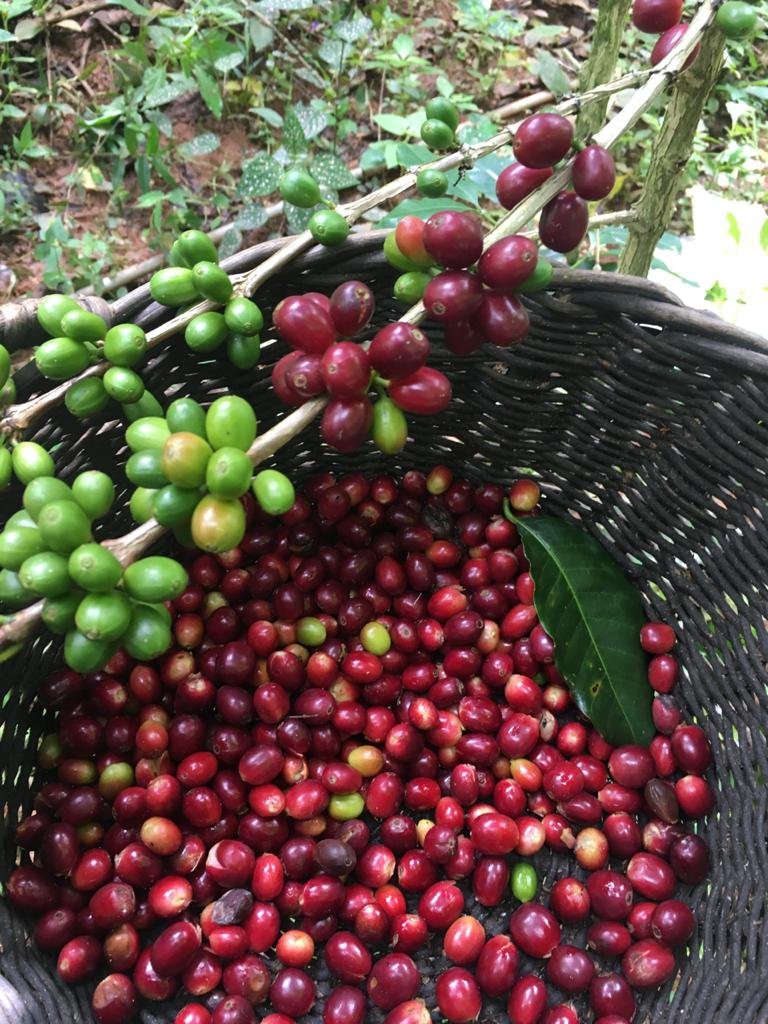
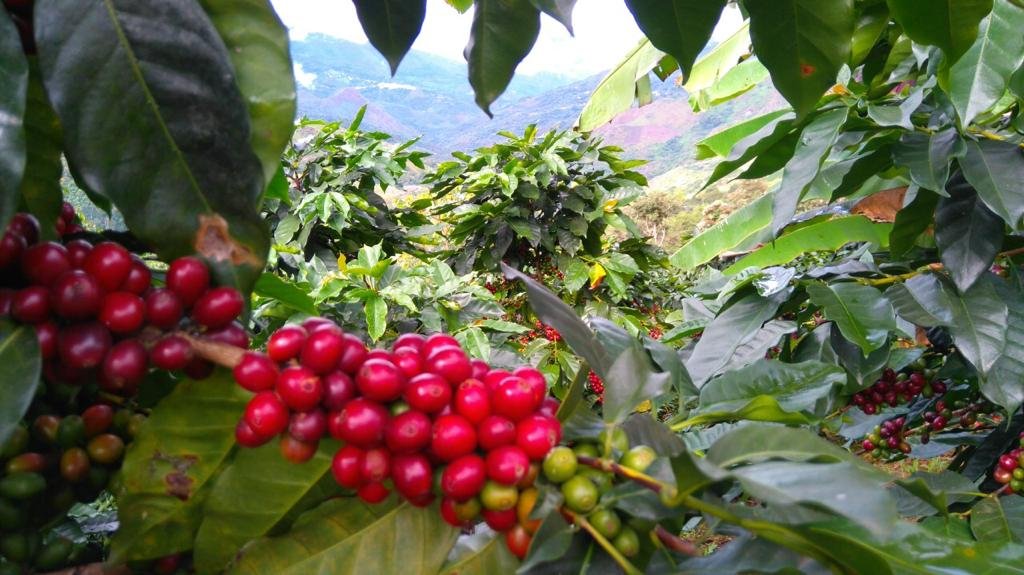
The fruit of the coffee plant is a cherry, ordrupe, and looks like a small cherry. When it first forms, it is green, and over the next 8–11 months (depending on the species, growing region, and ripening period), it changes through various shades ranging from yellow to red. Inside each drupe are two seeds separated by a groove and surrounded by a yellow pulp called the pericarp or parchment. These seeds are the coffee beans.
- Arabica beans: They are silky, fruity, and have hints of cocoa. Native to Ethiopia, they are the most widespread and widely consumed variety worldwide. They have a caffeine content of about 1.5%.
- The Robusta bean: It is stronger and more bitter, with hints of nuts and wood. It also contains more caffeine: between 2% and 3%.
What are the benefits of coffee?
Caffeine, when consumed in moderation, is a great ally for burning fat, as it speeds up the metabolism. It also helps the body cope with physical exertion and supports the brain by improving its cognitive functions. Caffeine increases dopamine and norepinephrine levels, which is why coffee is often associated with periods of intense work, exams, all-nighters, and so on.
Description
Café Grano Verde:
Varieties: Típica, Caturra, Pache, Bourbon, Villa Sarche
Certifications: Fair Trade – Organic.
Cup Score: 82.5–88 pts.
Moisture content: 12%
Scent: Fresh – Clean.
Color: Dark Green.
Defects: 0–15%.
Exportable Supply: 1st Grade / 12 Containers.
Product Description: 69-kg Jute Bag.
Ratings
There are no reviews yet.